
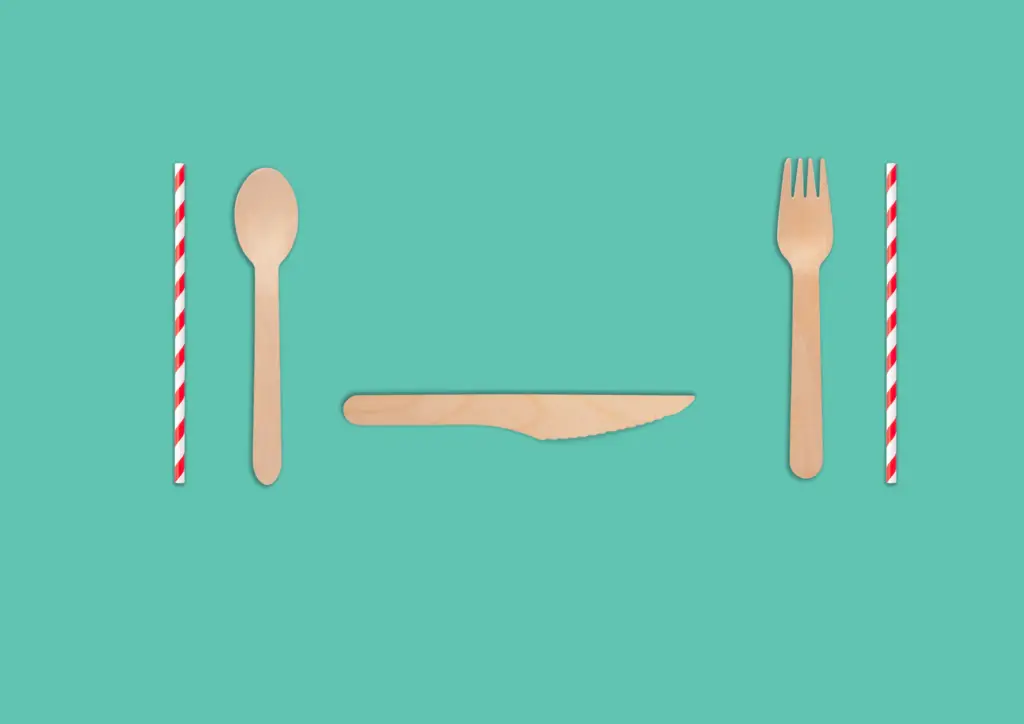
Since 1 October 2023, businesses in England have been prohibited from supplying, selling, or offering single-use plastic cutlery, including biodegradable, compostable, and recycled plastic cutlery. The ban reflects the scale of single-use cutlery consumption in England, where around 2.7 billion items are used each year and only around 10% are recycled.
Wooden and paper cutlery have become the practical alternatives for cafés, takeaways, caterers, and hospitality operators. Both are made from renewable, plant-based resources when responsibly sourced, while offering different characteristics for foodservice applications.
However, the environmental impact of disposable cutlery extends beyond the material itself. Sourcing, manufacturing, transportation, product performance, and end-of-life treatment can all influence a product’s overall environmental profile. This guide explores the key environmental considerations businesses should understand when choosing their wooden or paper cutlery.
Key Takeaways
- Single-use plastic cutlery is banned for businesses in England: Since 1 October 2023, businesses cannot supply, sell, or offer single-use plastic cutlery, including biodegradable, compostable, and recycled plastic cutlery.
- Wood and paper offer practical foodservice options: Both materials are made from renewable, plant-based resources when responsibly sourced, with different characteristics suited to foodservice applications.
- Environmental impact goes beyond the material: Sourcing, manufacturing, transportation, product performance, and end-of-life treatment can all influence the overall environmental profile of disposable cutlery.
- End-of-life depends on the material and available facilities: Wooden and birchwood cutlery is compostable, while paper cutlery is recyclable, subject to product specifications and suitable waste facilities.

Environmental Comparison: Wood & Paper Cutlery
The table below highlights some of the key environmental and practical considerations associated with wooden and paper cutlery.
| Factor | Wooden Cutlery | Paper Cutlery |
|---|---|---|
| Primary material | Birchwood | Paper made from wood pulp |
| Renewable material | Yes, sustainably sourced timber | Yes, responsibly sourced wood pulp, with PEFC or FSC certification |
| Material characteristics | Strong and naturally rigid | Lightweight and designed for foodservice use |
| Weight | Generally more substantial | Generally lightweight |
| End-of-life option | Wooden and birchwood cutlery is compostable | Paper cutlery is recyclable |
| Main environmental consideration | Responsible sourcing and appropriate disposal | Responsible sourcing and appropriate disposal |
Why Material Choice Matters
Until the plastic cutlery ban in 2023, plastic was the standard material for disposable cutlery. Wood and paper now provide a different approach, using renewable, plant-based materials and offering a practical alternative for foodservice businesses.
The environmental considerations associated with wood and paper cutlery include several key factors:
- Renewable raw materials: Wood and paper are made from plant-based resources that can be replenished through responsible forestry. The way these raw materials are sourced and managed is an important consideration when assessing their environmental impact.
- Responsible sourcing: The origin of the materials used to make disposable cutlery can influence their environmental profile. For example, easipac’s paper products are made from responsibly sourced wood pulp and are PEFC or FSC certified.
- Practical performance: Both materials can provide the strength, reliability, and heat tolerance required for everyday foodservice applications. Choosing cutlery that is suitable for the food being served can also help minimise avoidable product waste.
- Different environmental considerations: Wood and paper each have their own characteristics, but neither needs to be considered the “better” material. Both offer a more environmentally considered alternative.
- End-of-life considerations: Wooden and birchwood cutlery is compostable, while paper cutlery is recyclable, where suitable waste facilities are available. This helps businesses consider what happens to products after use as well as where they come from.
Ultimately, wood and paper offer food businesses established alternatives that combine practical performance with the use of renewable materials.

Environmental Impact of Wood and Paper Cutlery
Wood and paper have different characteristics that can influence their environmental impact, from the sourcing of their raw materials through to their use and disposal. Looking at these factors individually provides a clearer understanding of the considerations associated with each material.
Renewable Materials
Wooden cutlery is made from timber, a renewable natural resource when forests are responsibly managed. Responsible forestry can support the long-term availability of timber while helping to maintain healthy woodland ecosystems and biodiversity.
Paper cutlery is made using paper or wood-based fibre, which can also come from renewable resources when responsibly sourced. easipac’s paper products are made from responsibly sourced wood pulp and are either PEFC or FSC certified.
For both materials, the origin and management of the raw materials are important considerations when assessing their wider environmental impact.
Product Performance
Product performance is an important environmental consideration because cutlery that does not perform as intended can result in unnecessary product waste. If a utensil breaks, bends, or becomes unsuitable for the food being served, it may need to be replaced, increasing the number of products used.
Wooden cutlery is naturally rigid and durable, making it suitable for a wide range of meals and applications where a stronger utensil is required.
Paper cutlery can also provide reliable performance when appropriately designed for its intended application, with factors such as construction, strength, and resistance to moisture influencing its suitability for different foods. Choosing cutlery that is appropriate for the food being served can help ensure it performs as intended and minimise avoidable waste.
Transportation
Wooden cutlery is generally more substantial than paper, meaning its higher weight can be a consideration when transporting large quantities, particularly across longer supply chains.
Paper cutlery is typically lightweight, which can reduce the overall weight of products being transported and may offer logistical advantages when distributing larger quantities. However, transportation is only one part of a product’s lifecycle, so weight should be considered alongside sourcing, manufacturing, product performance, and end-of-life treatment.
End of Life
What happens to disposable cutlery after use is an important part of its overall environmental impact. Wood and paper have different end-of-life characteristics, so businesses should understand how each material should be disposed of.
Wooden and birchwood cutlery is compostable, where suitable commercial composting facilities are available. Paper cutlery is recyclable, subject to the relevant product specifications and the capabilities of local or commercial recycling facilities.
Terms such as “recyclable”, “compostable”, and “biodegradable” describe different characteristics and should not be treated as interchangeable. A product being compostable, for example, does not mean it can automatically be placed in any food waste collection.
The appropriate disposal route depends on the composition of the product and the waste management infrastructure available. Businesses should therefore check individual product specifications and their commercial waste arrangements to ensure cutlery is directed towards the appropriate waste stream.
Choosing Sustainable Disposable Cutlery from easipac
Wood and paper cutlery are both practical alternatives to traditional plastic, offering food businesses reliable options made from renewable materials when responsibly sourced. Neither is inherently the better choice. Businesses can consider factors such as the food being served, product performance, sourcing, and end-of-life options to choose what works best for their needs.
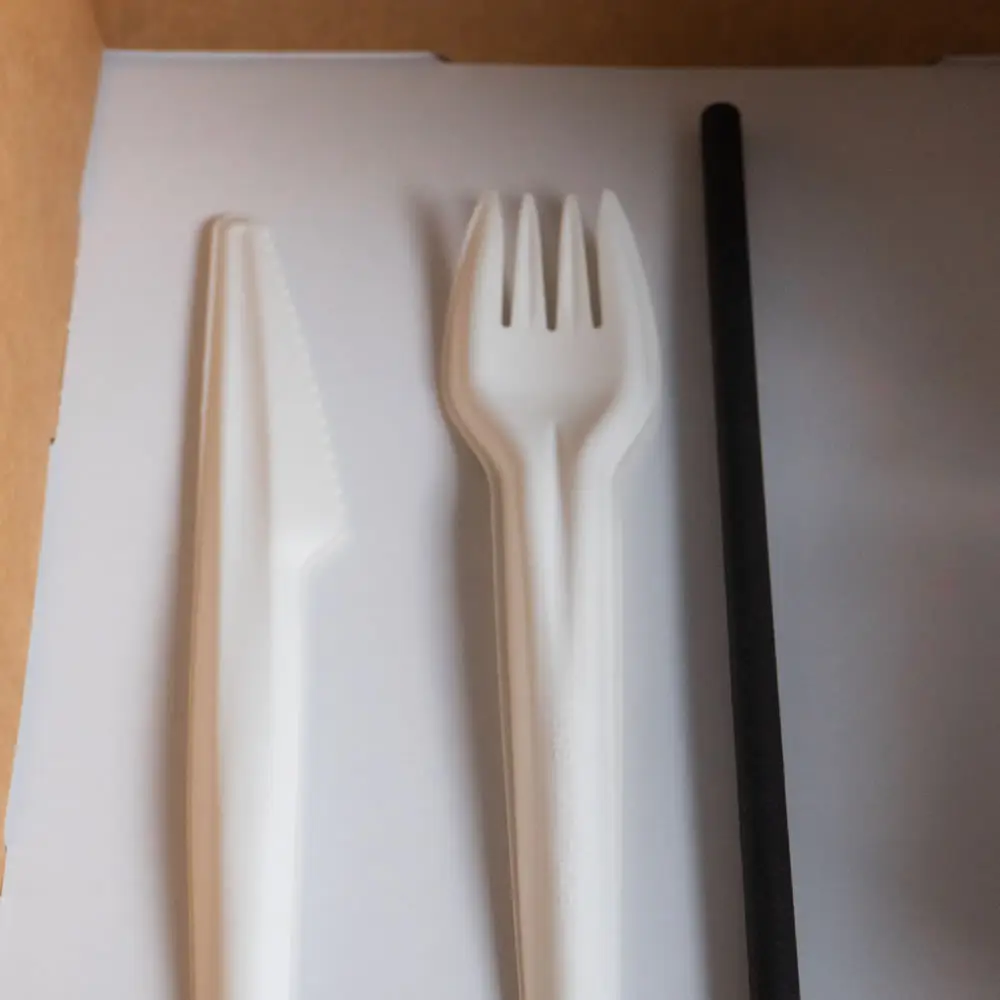
easipac’s range of paper and wooden cutlery is selected with material quality, environmental considerations, and everyday foodservice requirements in mind, including paper products that are PEFC or FSC certified and durable birchwood cutlery.
- Performance: Our paper and wooden forks, knives, and spoons are designed to provide the right strength, heat tolerance, and reliability for a range of food applications, helping businesses deliver a dependable customer experience.
- End-of-life pathway: Our wooden and birchwood cutlery is compostable, while our paper cutlery is recyclable, subject to the relevant product specifications and the availability of suitable waste facilities.
- Responsible sourcing: We prioritise renewable materials, including PEFC or FSC-certified paper from wood pulp and sustainably sourced wood & birchwood, helping businesses make more informed packaging choices.
Get in contact with our team today to discuss your sustainable cutlery and packaging requirements and find the right solution for your business.