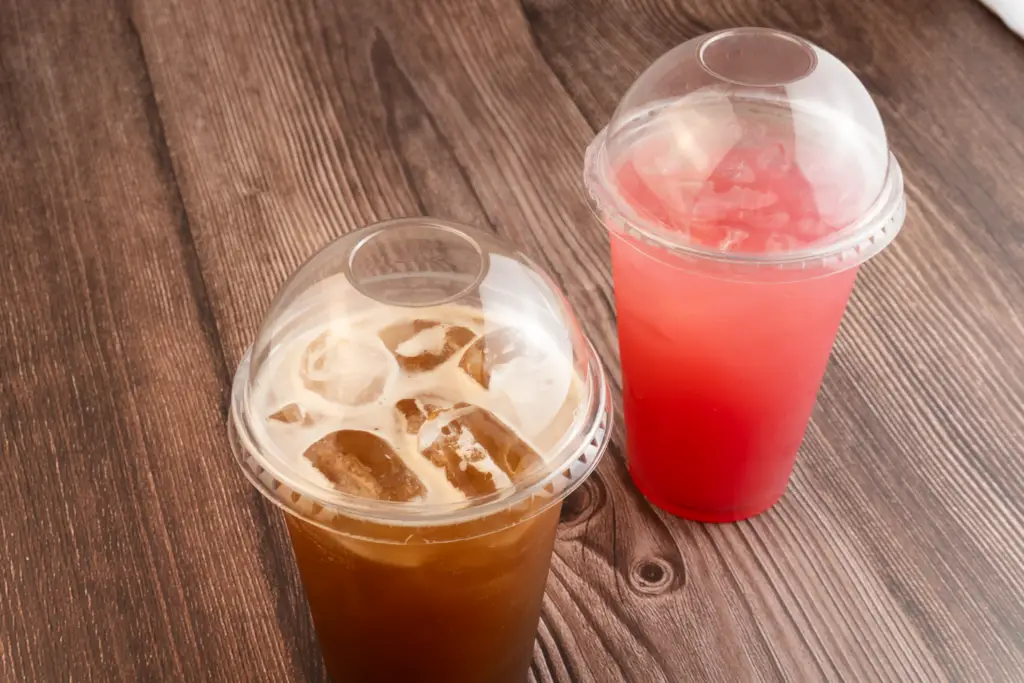
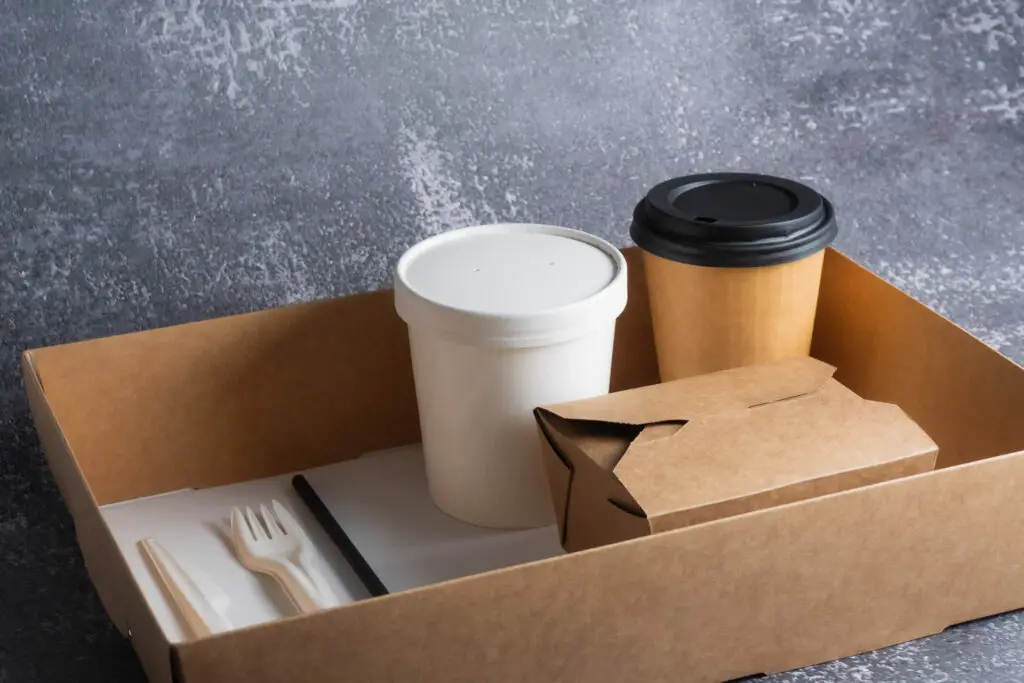
Takeaway packaging impacts how food is delivered and received – protecting the food during transport and ensuring it arrives in good condition. It also plays a role in day-to-day operations, helping staff work efficiently while reducing issues such as leaks, damage, and unnecessary waste.
easipac supplies packaging to food businesses who need a practical solution that also considers environmental sustainability.
This guide explains how to choose takeaway packaging, what to consider for different types of food, and how material choices can support better results across your business.
Key Takeaways
- Takeaway packaging protects food quality, improves delivery performance, and enhances the customer experience.
- Choosing durable, practical packaging helps food businesses reduce waste, prevent leaks, and improve efficiency.
- Sustainable packaging materials can help businesses meet environmental expectations while maintaining performance.
- The right packaging solution should balance functionality, branding, storage, and environmental responsibility.
Why Takeaway Packaging Matters for Food Businesses
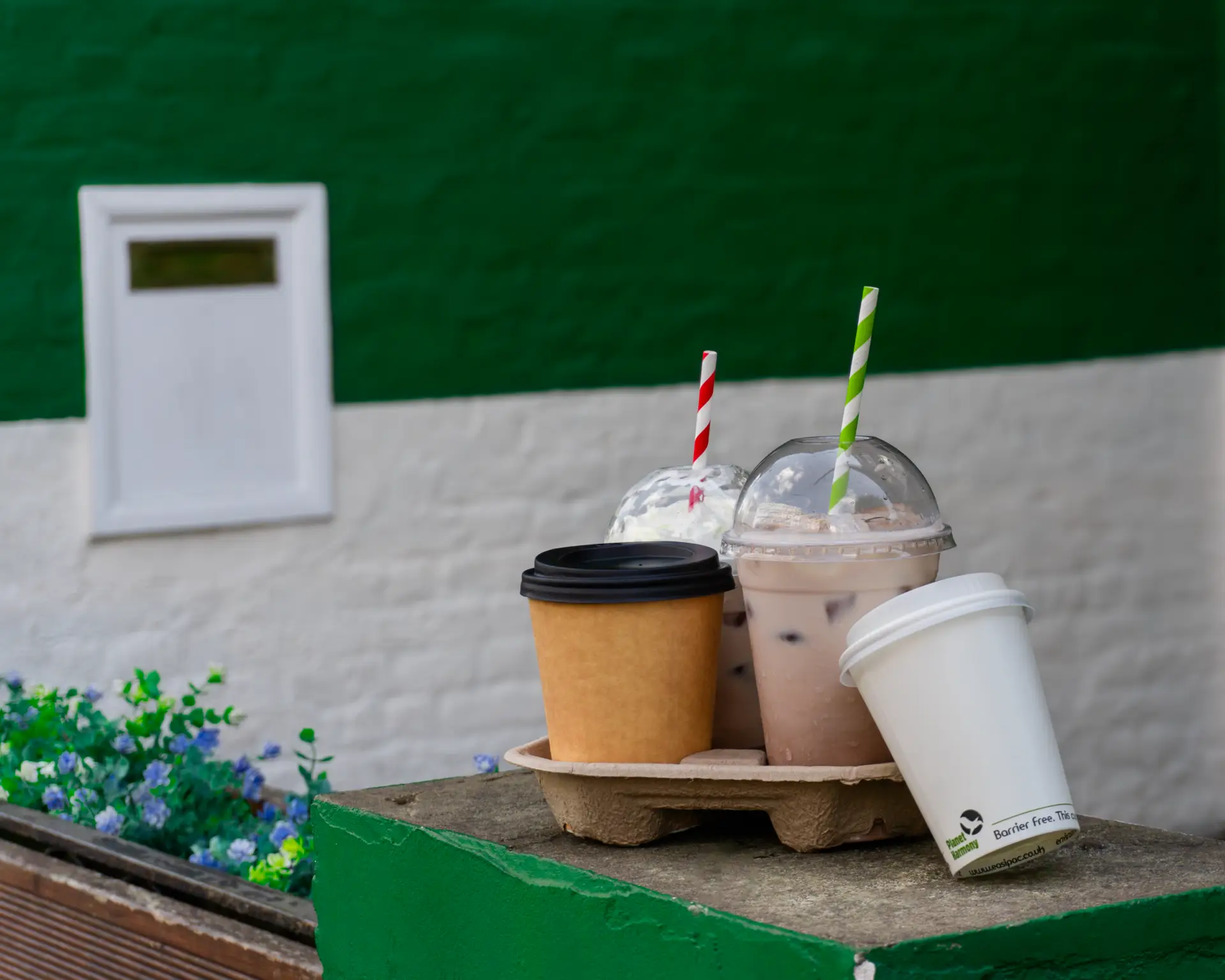
Takeaway packaging plays a central role in how food is experienced beyond the point of preparation. It protects quality, supports safe transport, and influences how customers perceive the value of a meal.
For many food businesses, packaging is also a practical consideration that affects speed of service, consistency, and waste reduction. When chosen carefully, quality packaging can:
- Maintain food temperature, ensuring hot dishes stay warm and cold items remain fresh during transit.
- Reduce the risk of leaks, spills, and damage, which helps protect both the food and the customer experience.
- Support efficient service by allowing staff to pack orders quickly and consistently during busy periods.
- Contribute to a stronger brand impression, particularly when customers share their food online or leave reviews.
- Suitable materials can help businesses meet food safety expectations and reduce the risk of contamination during handling and delivery.
Key Factors to Consider When Choosing Takeaway Packaging
1. Durability and Food Protection
Packaging must be strong enough to protect food from preparation through to delivery. It should resist crushing, leaks, and temperature changes without compromising the contents. Poor durability leads to customer complaints and unnecessary waste.
2. Cost Efficiency
Packaging needs to balance quality with affordability to remain viable at scale. Choosing the cheapest option can increase replacement costs if performance is poor. The goal is consistent value, not simply the lowest unit price.
3. Storage and Space Requirements
Packaging should be practical to store in busy kitchen environments. Bulky or awkwardly shaped items can slow down service and create clutter. Efficient packaging design helps maintain smooth operations.
4. Ease of Use for Staff
Packaging should be quick and intuitive to assemble and fill during service. Complicated designs slow down order fulfilment and increase the risk of errors. Simple, functional formats support speed and consistency.
5. Delivery Performance
Packaging must hold up well in real delivery conditions, including stacking, movement, and longer transit times. Secure sealing and structural stability are essential. Poor performance here directly impacts customer experience.
6. Branding Potential
Packaging is an extension of a business’s identity. Even simple designs can support recognition through colour, shape, or print. Strong branding helps create a more memorable customer experience.
Importance of Sustainable Packaging
According to Defra, almost half of the UK’s plastic packaging still isn’t recycled. This gap highlights a wider challenge in how packaging is used, disposed of, and recovered.
Sustainable packaging is therefore no longer a niche consideration for food businesses. It is now a requirement driven by customer expectations, environmental responsibility, and increasing regulation.
The key is understanding that “sustainable” is not a single material or solution, but a range of options with different properties, disposal methods, and use cases. The right choice depends on the type of food being served, how it is transported, and how it will be disposed of after use.
Guided by our Planet Harmony ethos, easipac offers a wide array of packaging solutions designed with the environment in mind. Each product in the range is crafted with sustainability in mind and designed for minimal environmental impact.
Each material used by easipac has been chosen to reduce environmental impact while still meeting the practical demands of food service businesses.
| Material | Description |
|---|---|
| Paper | Widely used because it is made from responsibly sourced wood pulp and is typically recyclable, making it a versatile option for everyday takeaway packaging. |
| Wood | A renewable material sourced from sustainably managed timber that provides a durable, natural alternative for utensils and disposables. |
| Birchwood | A fast-growing, renewable material that is compostable, offering a strong yet environmentally responsible option for cutlery and single-use items. |
| Bagasse | Made from sugarcane waste after juice extraction, turning an agricultural by-product into compostable packaging that reduces reliance on virgin materials. |
| Polystyrene (PS) | Used for its lightweight strength and protective qualities and can be recycled at designated facilities, supporting reuse where infrastructure allows. |
| RPET | Made from recycled PET plastic, reducing the need for virgin plastic while remaining fully recyclable and suitable for cold food and drink packaging. |
| PLA | A plant-based material made from renewable sources such as corn starch and is designed to break down in industrial composting conditions. |
| CPLA | A heat-resistant version of PLA, offering the same plant-based, compostable benefits while being suitable for hot food and drinks. |
| Dispersion Coating | A water-based lining applied to paper packaging that replaces traditional plastic coatings and improves recyclability within standard paper waste streams. |
Supporting Your Business with Food Packaging Solutions
Choosing the right packaging is about aligning your operational needs with environmental responsibility and brand identity. Each item from easipac is designed to be both stylish and functional, with recyclability and compostability built in to support your business’s environmental goals without compromising performance.
As a leading food packaging supplier, easipac stays fully up to date with UK and EU packaging regulations. This ensures your packaging solutions remain compliant, future-proof, and aligned with evolving environmental standards, giving you confidence in every order.
For businesses looking to strengthen their brand presence, custom food packaging offers a powerful opportunity. We craft high-quality packaging, customised with your logos, colours and designs, that looks incredible in your customers’ hands and on their social media. It is a simple but effective way to elevate presentation and build recognition with every order.
If you are ready to improve your packaging or explore tailored solutions for your business, contact our team to enquire about a custom order or request more information today.